
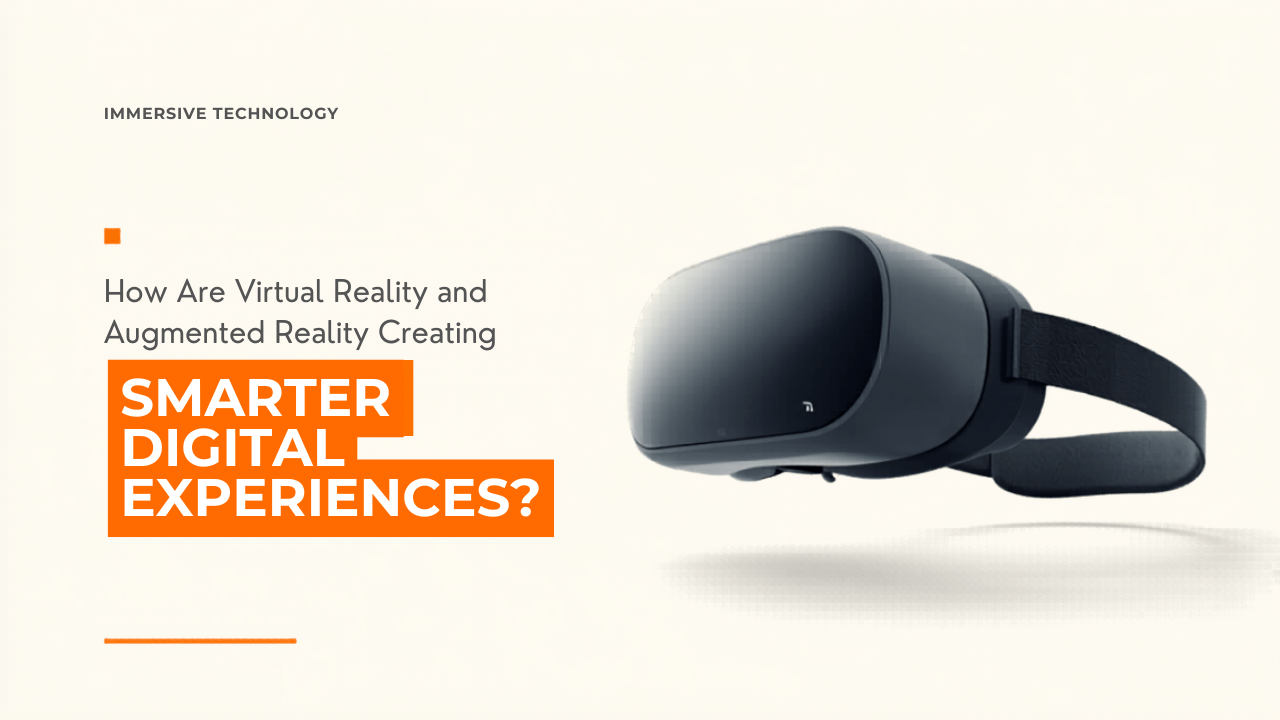
Technology is changing the way people interact with digital content. Businesses, educational institutions, healthcare providers, and entertainment industries are continuously searching for better ways to create engaging and interactive experiences. This is where virtual reality and augmented reality in dubai are transforming the digital landscape. These advanced technologies are helping brands create immersive environments that improve communication, learning, customer engagement, and decision-making.
From virtual property tours and gaming simulations to interactive shopping experiences and remote collaboration, immersive technologies are becoming an essential part of modern digital transformation. Companies are now investing heavily in smart visualization tools to improve customer experiences and increase operational efficiency.
Today, organizations across industries are using virtual reality and augmented reality in dubai to create realistic simulations, interactive training sessions, and intelligent business solutions. These technologies are not only improving entertainment experiences but are also reshaping industries such as healthcare, retail, education, construction, automotive, and real estate.
As businesses continue adopting immersive solutions, brands like OXFORD INTEGRATION are helping organizations explore innovative digital technologies that improve engagement and user experiences. The growing demand for smarter interaction is proving that immersive technologies are becoming the future of communication and digital innovation.
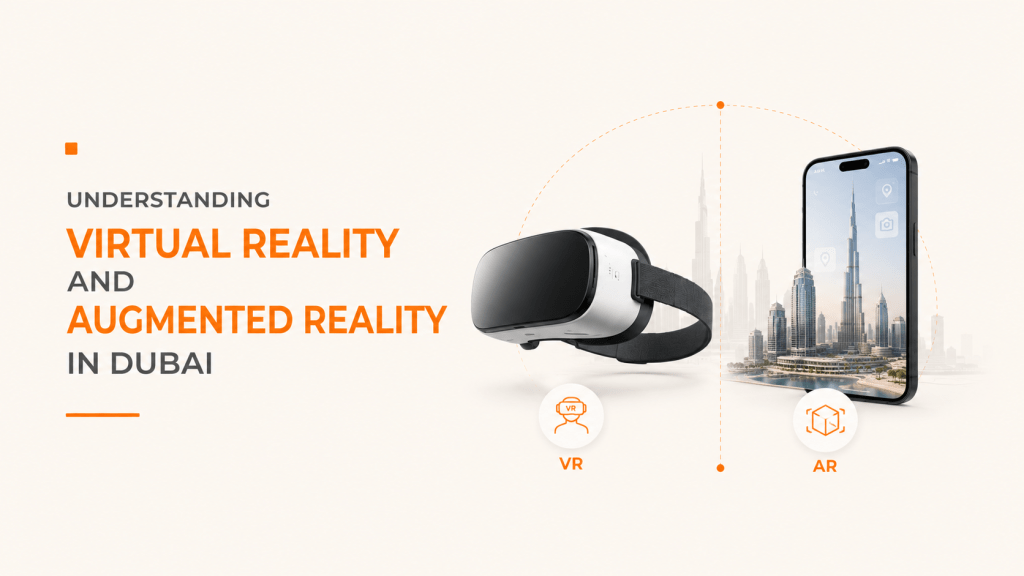
Understanding Virtual Reality and Augmented Reality in dubai
Before exploring their impact, it is important to understand the difference between these two technologies.
What is Virtual Reality?
Virtual Reality (VR) creates a completely computer-generated environment where users can interact with digital objects using VR headsets, motion sensors, and controllers. Users feel as if they are physically present inside a simulated environment.
Examples include:
- VR gaming
- Virtual training simulations
- 3D architectural walkthroughs
- Virtual tourism experiences
- Medical training simulations
VR replaces the real environment with a digital one, allowing users to experience highly immersive interactions.
What is Augmented Reality?
Augmented Reality (AR) overlays digital content onto the real world using smartphones, tablets, or smart glasses. Instead of replacing reality, AR enhances it with digital visuals, animations, and information.
Examples include:
- AR shopping applications
- Interactive navigation systems
- Virtual product placement
- AR-based learning applications
- Social media filters
AR combines physical and digital elements to improve real-world interactions.
Why Businesses Are Investing in Immersive Technologies
Businesses are rapidly adopting immersive technologies because customers now expect engaging and personalized experiences. Traditional digital content is no longer enough to capture user attention.
Modern consumers prefer:
- Interactive product demonstrations
- Personalized shopping experiences
- Realistic simulations
- Virtual collaboration
- Faster decision-making tools
This shift is increasing the demand for virtual reality and augmented reality in dubai solutions across multiple industries.
Companies are also recognizing the long-term benefits of immersive technology, including:
- Better customer engagement
- Improved employee training
- Higher productivity
- Reduced operational costs
- Enhanced brand experiences
- Faster project visualization
How Virtual Reality is Creating Smarter Digital Experiences
Immersive Training and Simulation
One of the biggest advantages of VR is its ability to create realistic training environments. Industries such as aviation, healthcare, manufacturing, and defense use VR simulations to train employees safely and efficiently.
Benefits include:
- Risk-free learning environments
- Real-time practice sessions
- Improved employee confidence
- Faster skill development
- Reduced training costs
Medical professionals can practice surgeries virtually, while industrial workers can learn equipment handling without physical risks.
Virtual Collaboration and Remote Meetings
Remote work is becoming more common, and businesses need smarter communication solutions. VR-powered collaboration platforms allow teams to interact in virtual environments as if they were physically present together.
Features include:
- 3D virtual meeting rooms
- Interactive presentations
- Real-time collaboration
- Virtual brainstorming sessions
- Remote project discussions
These solutions improve engagement compared to traditional video conferencing tools.
Enhanced Gaming and Entertainment
The entertainment industry has been one of the biggest adopters of VR technology. VR gaming provides immersive experiences where players can physically interact with virtual environments.
Entertainment applications include:
- Interactive gaming
- Virtual concerts
- 360-degree movies
- Virtual sports experiences
- Immersive storytelling
Users experience higher levels of emotional connection and engagement through immersive entertainment.
Virtual Property Tours
The real estate industry uses VR technology to offer virtual walkthroughs of residential and commercial properties. Buyers can explore properties remotely without physically visiting the location.
Advantages include:
- Time-saving property viewing
- Better property visualization
- Remote decision-making
- Improved customer engagement
- Faster sales processes
This technology is especially valuable for international investors and remote buyers.
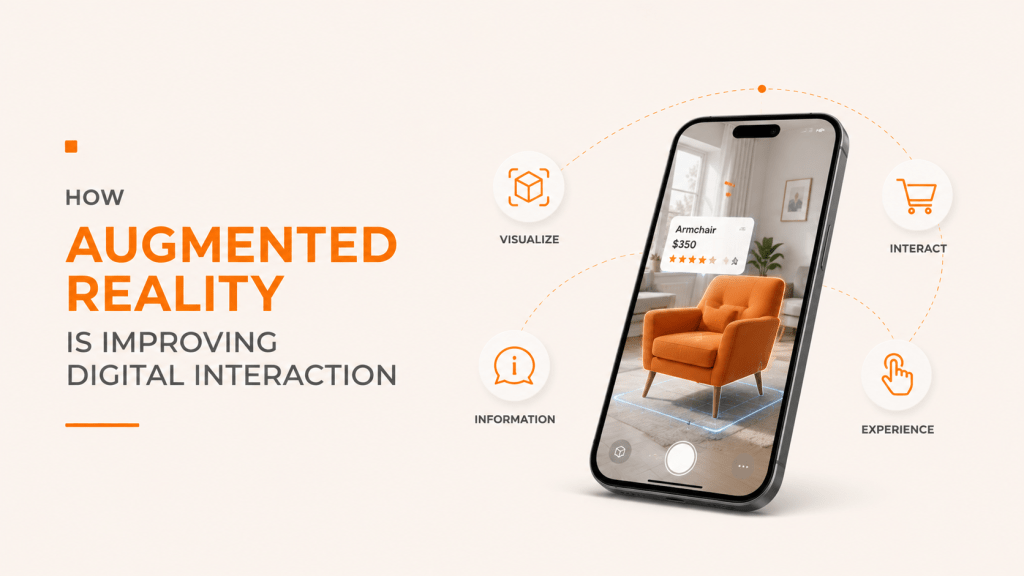
How Augmented Reality is Improving Digital Interaction
1. Smarter Retail and Online Shopping
AR is transforming the retail industry by allowing customers to visualize products before purchasing them.
Examples include:
- Virtual furniture placement
- Digital fitting rooms
- Makeup try-on applications
- Interactive product previews
- Smart shopping experiences
Customers can make better purchasing decisions, reducing return rates and improving customer satisfaction.
2. Interactive Education and Learning
Educational institutions are using AR applications to make learning more engaging and practical.
Students can:
- Explore 3D models
- Interact with digital content
- Visualize scientific concepts
- Experience historical recreations
- Improve practical understanding
Interactive learning increases knowledge retention and student engagement.
3. AR in Healthcare
Healthcare professionals use AR technology for medical visualization, surgery assistance, and patient education.
Applications include:
- Surgical guidance
- Medical training
- Anatomy visualization
- Remote consultations
- Patient engagement tools
AR helps doctors improve precision and enhance patient communication.
4. Smart Navigation and Tourism
AR-based navigation systems provide real-time directions and location information using smartphones or smart glasses.
Benefits include:
- Interactive city navigation
- Tourist information overlays
- Indoor navigation systems
- Real-time route assistance
- Enhanced travel experiences
Travelers can access contextual information instantly while exploring new locations.
The Role of Artificial Intelligence in Immersive Experiences
Artificial Intelligence is making immersive technologies smarter and more personalized. AI-powered VR and AR systems can analyze user behavior, preferences, and interactions to create customized experiences.
AI integration helps with:
- Facial recognition
- Gesture tracking
- Voice interaction
- Smart recommendations
- Real-time analytics
- Personalized content delivery
The combination of AI with virtual reality and augmented reality in dubai is creating highly intelligent digital environments that adapt to user needs.
Industries Benefiting from Immersive Technologies
Healthcare Industry
Healthcare organizations use immersive technologies for:
- Medical training
- Patient rehabilitation
- Surgical planning
- Mental health therapy
- Remote diagnostics
VR therapy is even helping patients manage anxiety and stress disorders.
Retail Industry
Retail businesses improve customer experiences through:
- AR shopping applications
- Virtual stores
- Interactive product displays
- Personalized recommendations
Brands can now create engaging digital shopping environments.
Education Sector
Educational institutions are improving learning outcomes through:
- Interactive classrooms
- Virtual laboratories
- Immersive learning experiences
- Digital simulations
Students learn faster when they can visualize and interact with concepts.
Real Estate Industry
Real estate companies use immersive tools for:
- Virtual site visits
- Interior visualization
- Property customization
- Smart presentations
These solutions improve customer trust and buying decisions.
Manufacturing and Engineering
Industrial sectors benefit from:
- VR safety training
- Product prototyping
- Equipment simulations
- Maintenance support
- Smart visualization tools
This improves efficiency while reducing operational risks.
Future Trends in Virtual Reality and Augmented Reality in dubai
1. Metaverse Integration
The rise of the metaverse is expected to increase the adoption of immersive technologies. Businesses are creating digital environments where users can work, shop, socialize, and interact virtually.
2. Wearable AR Devices
Smart glasses and wearable AR devices will become more common in workplaces and consumer markets.
Expected improvements include:
- Lightweight designs
- Better battery performance
- Real-time data access
- Improved user interfaces
3. 5G Connectivity
High-speed 5G networks will improve immersive experiences by reducing latency and enabling faster data transmission.
This will support:
- Real-time interaction
- Cloud-based rendering
- Enhanced streaming quality
- Better remote collaboration
4. Hyper-Personalized Experiences
Future immersive systems will use AI and machine learning to create highly personalized experiences based on user behavior.
Businesses will deliver:
- Customized advertisements
- Personalized shopping
- Smart training modules
- Adaptive digital content
Challenges Facing VR and AR Adoption
Despite rapid growth, some challenges still exist.
High Development Costs
Developing immersive applications can require significant investment in hardware, software, and content creation.
Device Compatibility Issues
Not all users have access to advanced VR headsets or AR-enabled devices.
Privacy and Security Concerns
Immersive systems collect large amounts of user data, creating concerns related to privacy and cybersecurity.
User Adaptation
Some users may require time to adapt to immersive technologies and digital interfaces.
Why Businesses Should Invest in Immersive Technologies
Companies that adopt immersive technologies early gain a competitive advantage in digital transformation.
Benefits include:
- Better customer experiences
- Increased brand engagement
- Improved operational efficiency
- Smarter communication
- Enhanced employee training
- Higher conversion rates
Businesses are no longer viewing VR and AR as experimental technologies. They are becoming essential digital tools for long-term growth.
Leading technology providers like OXFORD Integration are helping businesses implement innovative immersive solutions that support digital transformation strategies and customer engagement goals.
How OXFORD Supports Smart Digital Transformation
Modern organizations require scalable and intelligent digital solutions to stay competitive. OXFORD Integration helps businesses adopt advanced immersive technologies that improve operational efficiency, collaboration, and user engagement.
From interactive visualization systems to smart digital integration, businesses can leverage immersive technologies to create future-ready environments that improve communication and customer experiences.
By integrating advanced innovation strategies, organizations can stay ahead in rapidly evolving digital markets.
Conclusion
The future of digital interaction is becoming more immersive, intelligent, and experience-driven. Businesses and consumers are increasingly relying on smart technologies that provide realistic, interactive, and engaging environments.
As industries continue evolving, virtual reality and augmented reality in dubai are playing a major role in reshaping communication, education, healthcare, retail, entertainment, and enterprise collaboration. These technologies are helping organizations create smarter digital experiences that improve efficiency, engagement, and decision-making.
With the integration of Artificial Intelligence, 5G connectivity, and wearable devices, immersive technologies will continue transforming how people interact with digital content in the coming years.
Businesses that invest in immersive innovation today will be better prepared for the future digital economy. Companies like OXFORD Integration are supporting organizations in adopting modern technology solutions that improve user experiences and accelerate digital transformation.
FAQs
1. What is the difference between virtual reality and augmented reality?
Virtual Reality creates a completely digital environment, while Augmented Reality adds digital elements to the real-world environment using smart devices.
2. Which industries benefit most from immersive technologies?
Industries such as healthcare, education, retail, real estate, manufacturing, and entertainment benefit significantly from immersive technologies.
3. How does AR improve customer experiences?
AR helps customers visualize products, interact with digital information, and make smarter purchasing decisions through interactive experiences.
4. Why are businesses investing in VR training solutions?
VR training improves employee learning, reduces risks, lowers training costs, and creates realistic simulation environments.
5. What is the future of immersive technology?
The future includes AI-powered personalization, wearable AR devices, metaverse integration, and faster immersive experiences supported by 5G technology.